

When you own a vehicle, unexpected repairs can quickly turn into costly headaches. That’s where vehicle service contract coverage steps in—offering you peace of mind by protecting your wallet from surprise repair bills.
But what exactly does this coverage include, and how can it save you money? Whether your factory warranty is running out or you want to avoid paying out of pocket for major repairs, understanding vehicle service contracts is key. You’ll learn what these contracts cover, how they work, and how to choose the right plan for your needs.
Keep reading to make sure your vehicle—and your budget—stay protected.
What Vehicle Service Contracts Cover
Vehicle service contracts cover repairs after the manufacturer’s warranty ends. These contracts pay for parts and labor on many vehicle systems like the engine, transmission, and electrical components. They often help with unexpected breakdowns that can cost a lot to fix.
Exclusions and limitations are common. Most contracts do not cover damage from accidents, theft, or natural disasters. They usually exclude wear and tear items such as brake pads, tires, and batteries. Read the fine print to understand what is not covered.
Routine maintenance like oil changes, tire rotations, and filter replacements is generally not covered. Some plans offer optional maintenance packages, but these are separate from the main contract. Always check if maintenance is included before buying a contract.

Types Of Vehicle Service Contracts
Extended warranties help pay for repairs after the original warranty ends. They do not cover regular maintenance like oil changes or tire replacements. These contracts give extra protection for your vehicle.
Manufacturer contracts come from the car maker and match the vehicle well. They often have strict rules about where to get repairs done. Third-party contracts come from other companies and may offer more flexible service options but can vary in quality.
| Coverage Level | What It Covers | Typical Cost |
|---|---|---|
| Basic | Major engine and transmission parts | Lower cost, less coverage |
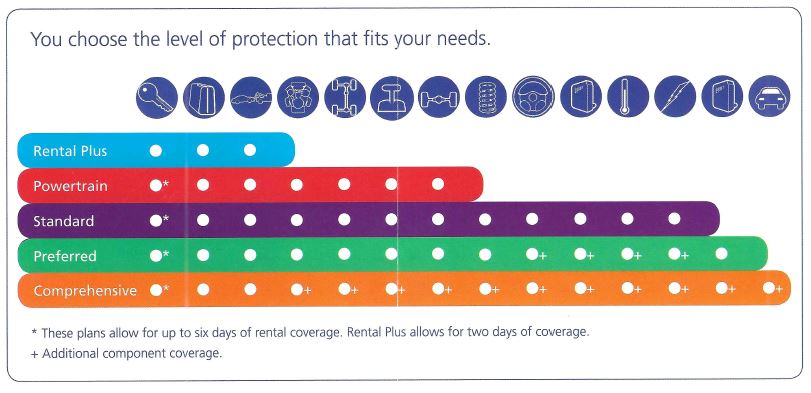
| Powertrain | Engine, transmission, and drivetrain | Moderate cost, moderate coverage |
| Comprehensive | Most vehicle parts except wear items | Higher cost, broad coverage |
Cost Factors And Pricing
The average cost of a vehicle service contract ranges from $1,000 to $3,500. Prices vary based on the vehicle’s make, model, and age. Newer cars often cost less to cover than older models.
Contract length and coverage level also affect the price. Longer contracts and more extensive coverage usually cost more. Some plans cover only major repairs, while others include more parts.
Payment options include one-time payments or monthly plans. Monthly plans help spread out costs over time but may have extra fees. Some companies offer discounts for paying upfront.
| Factor | Effect on Price |
|---|---|
| Vehicle Age | Older vehicles cost more to insure |
| Coverage Level | More coverage means higher price |
| Contract Length | Longer contracts cost more |
| Payment Plan | Monthly payments may include fees |
Benefits Of Vehicle Service Contracts
Financial protection helps cover costly repairs not included in warranties. It saves money by reducing unexpected expenses. Many vehicle service contracts cover parts and labor for breakdowns.
Peace of mind comes from knowing repair costs are mostly covered. Drivers can avoid stress about expensive fixes. Service contracts often include roadside assistance, adding extra security.
Resale value impact means a vehicle with a service contract may sell faster. Buyers like cars with extended coverage. It shows the vehicle was well cared for, increasing trust.
How To Choose The Right Contract
Assess your vehicle’s condition and age before choosing a contract. Older cars might need more repairs, so a broader coverage can be better. Newer cars may only need basic plans.
Compare different providers by checking their reputation and what they cover. Look at customer reviews and how easy it is to file a claim. Price matters, but quality is more important.
Read the fine print carefully. Know exactly what is covered and what is not. Pay attention to exclusions and any deductibles. Check the contract length and any limits on repairs.
Filing Claims And Getting Repairs
Claim Process Steps: Start by contacting your service contract provider. Provide your vehicle details and describe the problem clearly. Fill out any claim forms they send. Keep all receipts and documents safe. Wait for approval before getting repairs done. Always check if your contract covers the specific repair.
Approved Repair Shops: Use repair shops listed by your service contract company. These shops know the rules and will handle paperwork. Using approved shops helps avoid payment problems. Some contracts may not pay for repairs done outside these shops.
Handling Disputes: Keep calm and gather all claim documents. Contact your service contract company to discuss the issue. Ask for a clear explanation if a claim is denied. If needed, file a formal complaint with the company. You can also contact consumer protection agencies for help.
Common Myths And Misconceptions
Service contracts and warranties are often mixed up. Warranties come with the car. They cover defects and repairs for a set time or miles. Service contracts are bought separately. They can cover repairs after the warranty ends.
Many believe service contracts cover all repairs. They usually do not cover routine maintenance like oil changes or tire replacement. Always read what is included or excluded.
People think service contracts are unreliable. But they are legal agreements. The company must follow the contract terms. Check the company’s reputation before buying.
Tips For Maximizing Your Coverage
Regular vehicle maintenance keeps your car in good shape. Follow the manufacturer’s service schedule. This helps avoid costly repairs later. Keep records of all service and repairs. These documents prove you took care of your vehicle. They may be needed when filing a claim.
Keeping documentation organized is important. Save receipts, service reports, and warranty papers. Store them in a safe place or digitally. Clear records speed up claim approval and protect your rights.
Knowing your responsibilities helps you avoid denied claims. Read your contract carefully. Understand what is covered and what is not. Follow all rules about maintenance and repairs. Use approved service centers if required. Meeting these duties ensures your coverage stays valid.

Frequently Asked Questions
Is It Worth Getting A Vehicle Service Contract?
A vehicle service contract can save money on costly repairs after the manufacturer’s warranty ends. It offers peace of mind and covers specific repairs. Evaluate your vehicle’s condition and budget to decide if it fits your needs.
What Is Service Contract Coverage?
Service contract coverage pays for specific vehicle repairs after the manufacturer’s warranty expires. It excludes routine maintenance.
What Is The Difference Between A Vehicle Service Contract And A Warranty?
A warranty covers manufacturer defects for a set time. A vehicle service contract extends coverage and may include additional repairs.
What Is The Average Cost Of A Vehicle Service Contract?
The average cost of a vehicle service contract ranges from $1,000 to $2,500, depending on coverage and vehicle type.
Conclusion
Vehicle service contract coverage helps protect your car from costly repairs. It often covers parts and services beyond the original warranty. Choosing the right contract can save money and stress. Always read the terms carefully to know what is included.
Understanding coverage details helps you avoid surprises later. This protection gives peace of mind while driving your vehicle. Consider your needs and budget before deciding on coverage. Vehicle service contracts can be a useful tool for many car owners.
Read More
- Bad Credit Car Loan Approval: Quick Tips for Easy Financing
- Best Extended Car Warranty Companies: Top Picks for Ultimate Protection
- No Deposit Car Insurance Quotes: Save Big with Instant Offers
- Luxury Car Leasing Offers: Unbeatable Deals You Can’t Miss
- Best Car Lease Deals near Me: Unbeatable Savings & Top Picks
- Best Car Insurance Quotes in USA: Save Big with Top Deals Today
- Business Car Leasing Tax Benefits: Maximize Savings and Boost Growth
- Compare Car Insurance Rates Online: Save Big with Smart Choices
- Used Car Financing Calculator: Simplify Your Budget Today
- Pre Approved Auto Loans Online: Fast, Easy, and Stress-Free Deals