


Looking for car insurance but worried about that upfront deposit? You’re not alone.
Many drivers want coverage without handing over a big payment right away. But is “no deposit” car insurance really possible? And if it is, what does it mean for you and your wallet? You’ll discover the truth behind no deposit car insurance quotes, learn how to find affordable options, and understand what to watch out for.
Keep reading to take control of your car insurance costs and find the best way to protect your ride without breaking the bank upfront.

No Deposit Car Insurance Basics
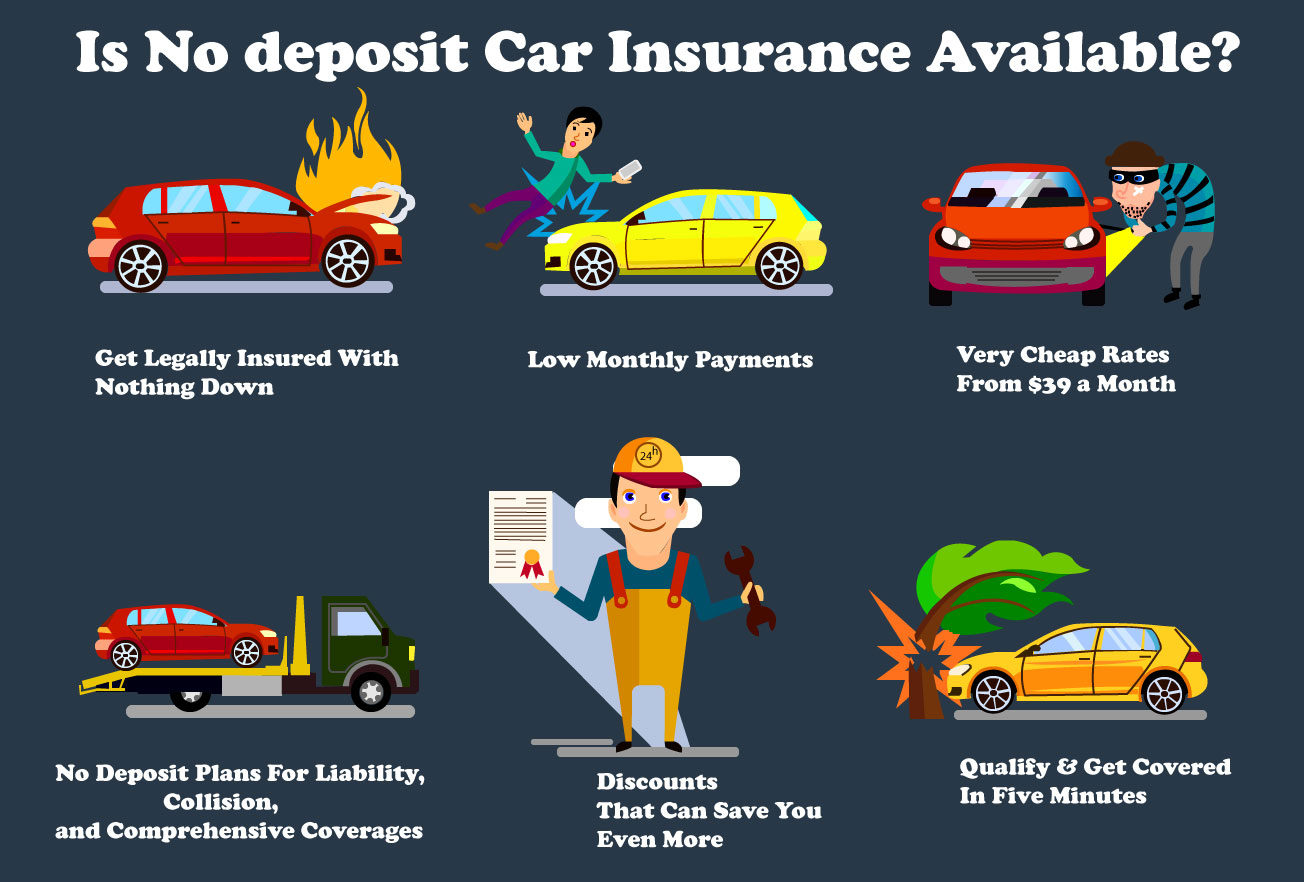
No deposit car insurance means you do not pay money upfront. You start your policy without a down payment. This is different from traditional car insurance, where you pay a deposit before coverage begins.
Traditional policies require an initial deposit to activate your insurance. This deposit helps cover part of your risk to the insurer. Without it, insurers may charge higher monthly payments or add fees.
No deposit plans can seem easier to start. But they might cost more overall. Also, some companies do not offer true no deposit insurance. Instead, they offer low or delayed payment options.
Benefits Of No Deposit Quotes
No deposit car insurance often comes with potential coverage gaps. This means some damages or accidents might not be covered at all. You may find yourself paying more out of pocket if something happens.
Higher overall premiums are common. Insurance companies may increase rates to cover the risk of no upfront payment. This can make your monthly or yearly payments more expensive than usual.
Limited provider availability can be an issue too. Not all insurers offer no deposit options. This reduces your choices and may limit your ability to find the best deal or coverage.
Common Drawbacks
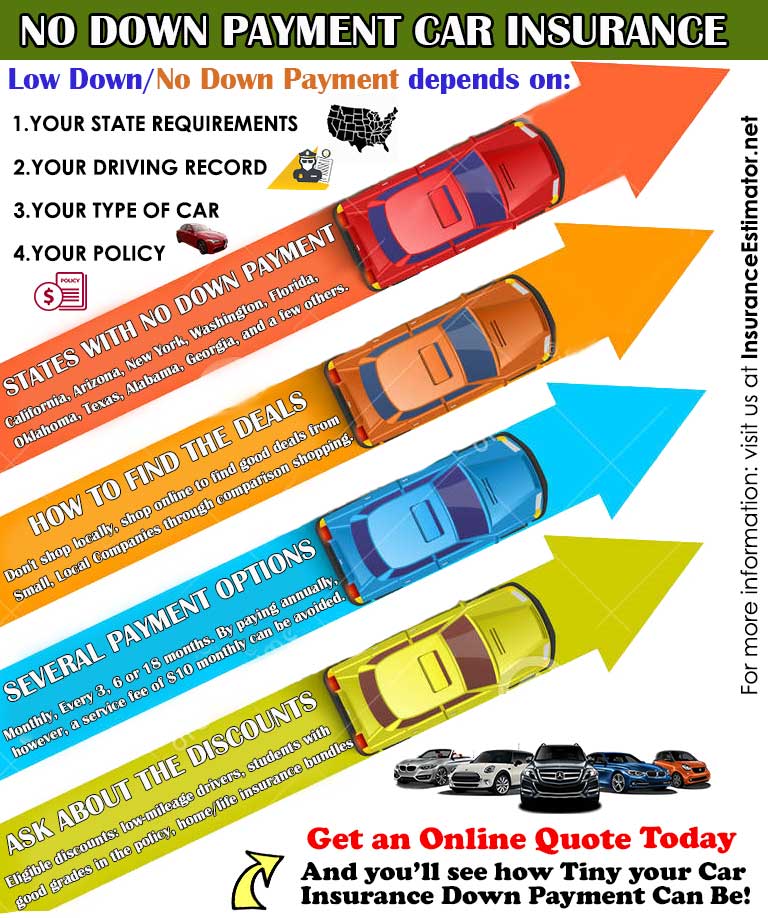
Discounts can help lower your car insurance cost. Many companies offer savings for good drivers, students, or having safety features in your car. Bundling home and auto insurance can also reduce your bill.
Your credit score affects your insurance rates. A higher score usually means lower costs. Paying bills on time and reducing debt can improve your credit quickly.
Choosing the right coverage is key. Avoid paying for more than you need. Liability coverage protects others if you cause damage. Comprehensive and collision cover damage to your own car. Adjust these levels based on your car’s value and your budget.
Finding The Best Instant Offers
No deposit does not mean no payment at all. Insurance companies usually ask for some money upfront. This is to start your policy and give you coverage. Without payment, the company cannot protect you if an accident happens.
Coverage without any payment is not real. You must pay something before driving. Some offers say “no deposit” but add costs later. Always read the terms carefully to avoid surprise charges.
No deposit does not equal poor coverage. Your insurance can still cover you well. The key is to check what the policy includes. Sometimes, paying a small deposit means better protection and lower monthly fees.
Frequently Asked Questions
Can I Get Car Insurance With No Down Payment?
No, car insurance requires an upfront payment before coverage starts. Some insurers offer low down payment options instead.
What Are The Cons Of No Deposit Car Insurance?
No deposit car insurance often means no coverage until payment. It can lead to higher overall costs and limited insurer options.
Who Is The Cheapest But Best Car Insurance?
The cheapest but best car insurance varies by individual needs and location. Compare quotes from top providers like Geico, State Farm, and Progressive. Look for discounts and coverage that fits your budget to get the best value without sacrificing quality.
What Is A $20 Down Payment Car Insurance?
A $20 down payment car insurance means paying $20 upfront to start coverage. It lowers initial costs but requires monthly payments.
Conclusion
No deposit car insurance quotes can help reduce upfront costs. Most insurers require some payment before coverage starts. You can find options with low initial payments. Always compare quotes to find the best deal for you. Remember, cheaper upfront does not always mean cheaper overall.
Protect yourself by understanding all terms clearly. Take your time and choose wisely to save money.
Read More
- Vehicle Service Contract Coverage: Ultimate Protection for Your Car
- Bad Credit Car Loan Approval: Quick Tips for Easy Financing
- Best Extended Car Warranty Companies: Top Picks for Ultimate Protection
- Luxury Car Leasing Offers: Unbeatable Deals You Can’t Miss
- Best Car Lease Deals near Me: Unbeatable Savings & Top Picks
- Best Car Insurance Quotes in USA: Save Big with Top Deals Today
- Business Car Leasing Tax Benefits: Maximize Savings and Boost Growth
- Compare Car Insurance Rates Online: Save Big with Smart Choices
- Used Car Financing Calculator: Simplify Your Budget Today
- Pre Approved Auto Loans Online: Fast, Easy, and Stress-Free Deals