

Buying a used car can be exciting, but it also comes with a fair share of worries. What if your car breaks down unexpectedly?
How much will repairs cost? That’s where used car warranty plans come in. These plans can protect your wallet from costly repairs and give you peace of mind on the road. But are they really worth it? You’ll discover everything you need to know about used car warranty plans—from what they cover to how to choose the best one for your needs.
Keep reading to make a smart decision that keeps your car running smoothly and your budget intact.
Why Choose A Used Car Warranty
Warranty protection helps cover costly repairs on used cars. It saves money by reducing unexpected expenses. Some common benefits include engine and transmission repair coverage, roadside assistance, and rental car reimbursement. A warranty also offers peace of mind, knowing repairs won’t drain savings.
Without coverage, risks include high repair bills for major parts. Mechanical failures can happen anytime, especially as cars age. Repairs can be very expensive and sometimes surprise owners. A warranty plan helps avoid these sudden costs and protects your budget.
Types Of Used Car Warranty Plans
Manufacturer’s Extended Warranty usually extends the original warranty. It covers repairs from the car maker. This warranty often includes parts and labor. It is generally more reliable but can be costly. Some cars may no longer qualify for this plan.
Third-Party Warranty Options come from companies not linked to the car maker. These plans often cost less than manufacturer warranties. Coverage varies widely and may include limited parts. Customers should check the company’s reputation before buying.
Vehicle Service Contracts work like extended warranties. They cover specific repairs or services for a set period. These contracts may include roadside assistance or rental car coverage. Terms and prices differ, so read the contract carefully.
What Warranties Typically Cover
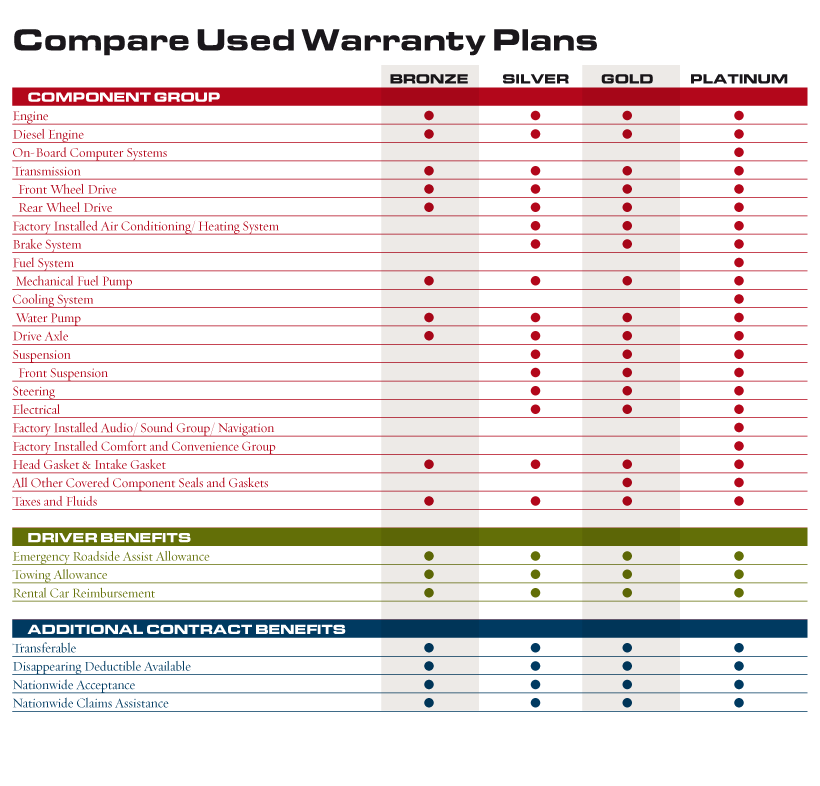
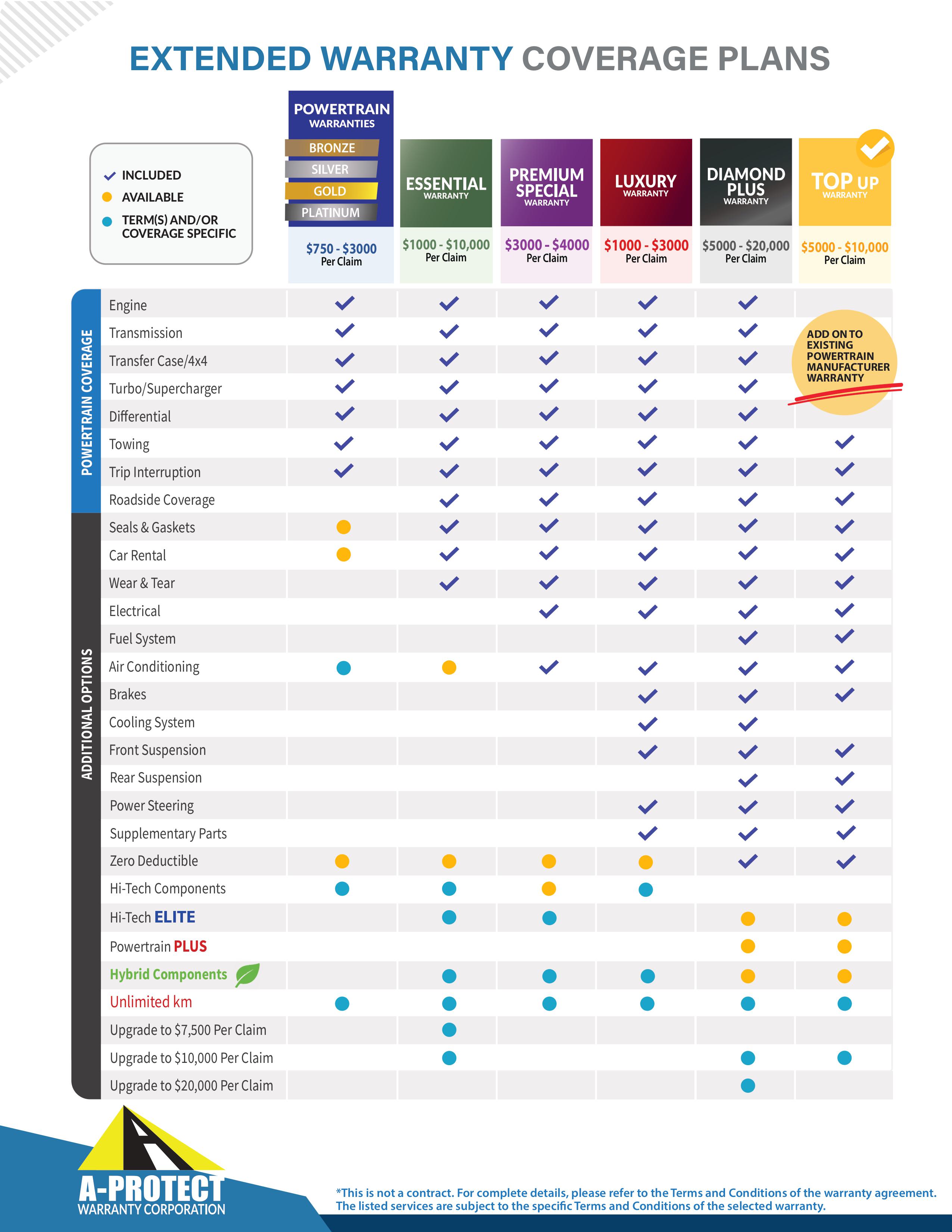
Powertrain coverage protects major parts like the engine, transmission, and drivetrain. It covers repairs for these essential components, which are often costly to fix.
Bumper-to-bumper coverage offers more complete protection. It includes most vehicle parts except wear-and-tear items like brake pads or tires. This plan helps with many unexpected repairs.
Additional coverage options may include roadside assistance, rental car reimbursement, and electronics protection. These extras add value and peace of mind for used car owners.
| Coverage Type | What It Covers | Benefits |
|---|---|---|
| Powertrain | Engine, transmission, drivetrain | Protects major mechanical parts |
| Bumper-to-Bumper | Most vehicle parts except wear items | Wide protection for many repairs |
| Additional Options | Roadside help, rental cars, electronics | Extra convenience and safety |
Factors Affecting Warranty Costs
Vehicle age and mileage greatly impact warranty costs. Older cars or those with high mileage usually cost more to cover. Warranties for newer cars with low mileage tend to be cheaper. This is because older vehicles have a higher chance of needing repairs.
The coverage level and duration also affect the price. More extensive coverage or longer periods increase costs. Basic plans cover fewer parts and are less expensive. Extended plans cover more systems but come with higher fees.
Deductibles and fees play a key role in final costs. Higher deductibles mean lower monthly payments but more out-of-pocket expenses during repairs. Some plans include extra fees for service calls or administrative tasks, raising the total cost.
Top Used Car Warranty Providers
National companies like CarShield, Endurance, and Ally offer broad coverage and easy claims processes. These providers usually have large networks and 24/7 customer support. Plans vary from basic powertrain coverage to full bumper-to-bumper protection. Pricing depends on the car’s age, mileage, and coverage level.
Regional and local providers might offer more personalized service and sometimes lower prices. They often focus on specific states or cities and may have partnerships with local mechanics. This can mean faster repairs and better customer relations.
| Plan Type | Coverage | Price Range |
|---|---|---|
| Powertrain | Engine, transmission, drivetrain | $500 – $1,500 |
| Standard | Powertrain + major components | $1,000 – $2,500 |
| Comprehensive | Almost all parts, including electronics | $2,000 – $4,000 |
Compare plans by checking coverage limits, deductibles, and exclusions. Read reviews and ask about repair shops in your area. The best plan fits your budget and car needs.
How To Choose The Right Warranty Plan
Start by checking your car’s age and mileage. Older cars or those with high mileage may need more coverage. Think about how often you drive and where you live. This helps decide what kind of warranty suits you best.
Look closely at the coverage details. Some plans cover only the engine, while others include the transmission, electrical parts, and more. Choose a plan that covers the parts most likely to fail on your car model.
Read the warranty’s fine print. Watch out for exclusions and limits. Check if you must use certain repair shops or get pre-approval for repairs. Know what deductibles or fees apply. This stops surprises later.
Alternatives To Extended Warranties
Self-insuring means saving money regularly for car repairs. This fund helps cover unexpected costs without extra fees. It gives you full control over your money and repair choices. Although it needs discipline, it can save you from paying for unwanted coverage.
Certified Pre-Owned (CPO) programs offer used cars checked by manufacturers. They often include warranties and inspections. CPO cars tend to be newer and in better shape. This option reduces risk and gives some warranty protection without buying extra plans.
Regular maintenance keeps your car running longer and prevents big repairs. Change oil, check brakes, and replace parts as needed. Following the schedule in your owner’s manual helps avoid costly breakdowns. It’s a simple way to protect your investment and save money over time.
Common Warranty Pitfalls To Avoid
Hidden exclusions can make a warranty less useful. Some parts or repairs might not be covered. Always read the fine print carefully. Watch for limits on mileage or repair costs. These can lead to unexpected expenses.
Choosing the right provider matters. Some companies offer poor service or try to scam customers. Check reviews and ratings before buying. Confirm the provider is licensed and trusted. Avoid plans with unclear terms or high-pressure sales tactics.
Claims can be tricky. Keep all receipts and records of repairs. Follow the warranty rules strictly to avoid rejection. Contact the warranty company quickly if a problem occurs. Knowing the claim process helps get repairs paid faster.
Maximizing Your Warranty Benefits
Proper vehicle care helps you get the most from your warranty plan. Regular oil changes, tire rotations, and inspections keep your car healthy and prevent major repairs.
Keeping detailed service records is very important. These records prove you followed the maintenance rules. They can help you avoid warranty denials.
Always use authorized repair facilities for warranty work. These shops know your car and follow the warranty terms. They also use genuine parts, which keeps your warranty valid.

Frequently Asked Questions
Who Offers The Best Warranty On Used Cars?
Ally, Fidelity, and Zurich offer some of the best used car warranties with reliable coverage and long contract terms. Omega Auto Care provides industry-leading long warranty contracts. Choose based on your car’s needs and budget for optimal protection.
Is It Worth Getting A Warranty For A Used Car?
Getting a warranty for a used car can protect against costly repairs. It’s worth it for older vehicles or those with uncertain histories. Compare plans and coverage carefully to ensure value and peace of mind.
Is Carshield Or Endurance Better?
CarShield offers broad coverage and flexible plans. Endurance provides comprehensive protection with an easy claims process. Choose based on your budget, vehicle age, and desired coverage level.
How Much Is A Typical Used Car Warranty?
A typical used car warranty costs between $500 and $2,000, depending on coverage and vehicle age.
Conclusion
Choosing the right used car warranty plan can protect your investment. These plans help cover repair costs and reduce financial stress. Always compare coverage options and prices carefully. Understand what each plan includes and excludes before deciding. A good warranty plan can give peace of mind on the road.
Keep your car running smoothly without unexpected expenses. Take time to research and pick a plan that fits your needs. Your used car deserves the right protection for worry-free driving.
Read More
- Vehicle Service Contract Coverage: Ultimate Protection for Your Car
- Bad Credit Car Loan Approval: Quick Tips for Easy Financing
- Best Extended Car Warranty Companies: Top Picks for Ultimate Protection
- No Deposit Car Insurance Quotes: Save Big with Instant Offers
- Luxury Car Leasing Offers: Unbeatable Deals You Can’t Miss
- Best Car Lease Deals near Me: Unbeatable Savings & Top Picks
- Best Car Insurance Quotes in USA: Save Big with Top Deals Today
- Business Car Leasing Tax Benefits: Maximize Savings and Boost Growth
- Compare Car Insurance Rates Online: Save Big with Smart Choices
- Used Car Financing Calculator: Simplify Your Budget Today